March 16, 2026
Transmissions are complex and vital components of any vehicle, and even the most well-maintained systems can develop problems over time. A professional transmission shop is equipped to diagnose a wide range of issues before they worsen. Understanding these common problems can help vehicle owners seek timely professional help, ensuring a prolonged lifespan for their vehicle's transmission system. Early diagnosis is key to maintaining optimal performance and keeping your vehicle running smoothly.
Identify Slipping Gears
Gear slippage is a common problem experienced in both automatic and manual transmission vehicles. It occurs when the transmission unexpectedly shifts to a different gear while driving, often due to worn-out gears, clutch plates, or transmission bands that inhibit proper gear engagement. Low or degraded transmission fluid can also create insufficient lubrication, leading to slippage. Internal solenoids that control fluid flow within the transmission are another potential culprit. According to SlashGear.com, replacing your transmission fluid somewhere between every 30,000 and 100,000 miles can help prevent issues like gear slippage from developing in the first place.
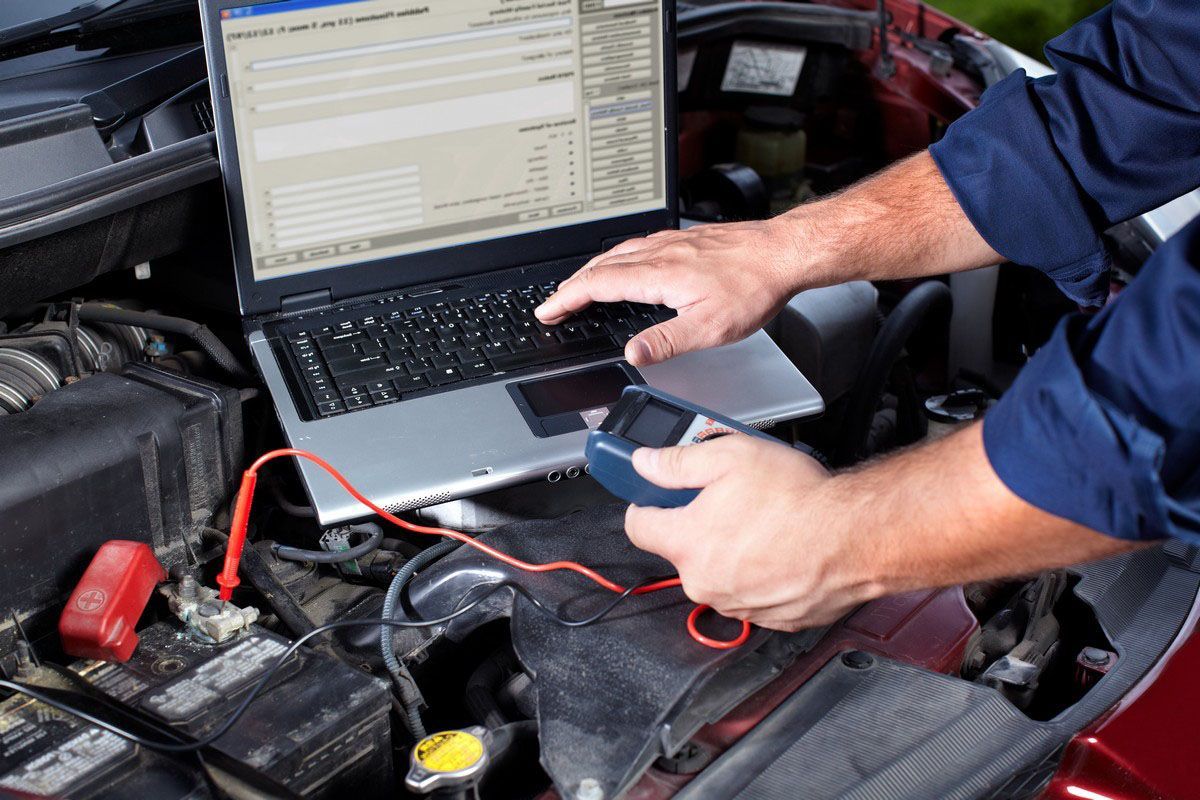
When a car experiences gear slippage, the tachometer may spike without any corresponding increase in speed, or drivers may notice a delay in acceleration and hear a high-pitched whining sound. The check engine light may come on, and the vehicle might intermittently jerk or respond poorly during gear shifts. A transmission shop will typically begin diagnosis by checking the condition and level of transmission fluid before moving on to onboard diagnostic tools that read error codes and scan for system faults. A physical inspection may also reveal worn bands, clutches, or damaged solenoids. Addressing the problem often involves replacing worn components and performing a thorough fluid flush to restore functionality.
Recognize Delayed or Rough Shifting
Delayed or rough shifting is another clear indicator of a problematic transmission system. This issue appears as a noticeable lag or harsh engagement when changing gears, and it can affect both automatic and manual transmissions. For automatics, the cause may stem from faulty sensors, solenoids, or a malfunctioning valve body. In manual transmissions, worn synchronizer rings or clutch components often produce grinding or resistance during shifts. Low or degraded transmission fluid can contribute to shifting difficulties across both transmission types.
Common symptoms include a rough transition between gears, clunking noises during gear changes, or an engine that revs excessively without a corresponding increase in speed. A transmission shop will typically use a scanner to read error codes pointing to sensor or solenoid failures, followed by a physical inspection of clutch components and linkage for manual transmissions. Road testing can also help replicate the conditions under which the problem occurs. Treatment often involves replacing or repairing faulty components, recalibrating the transmission control module if electronic faults are found, and ensuring all cables and linkages are properly adjusted for smooth gear transitions.
Detect Transmission Fluid Leaks
Transmission fluid leaks are a serious concern that can lead to significant mechanical damage if left unaddressed. Drivers may notice a red or brown oily puddle beneath their parked vehicle, which often signals a failed seal, gasket, or damaged fluid line. Over time, thermal cycling causes these components to degrade, and physical damage from road debris or corrosion can make the problem worse. A burning smell, smoke near the engine, or dashboard overheating indicators are additional signs that fluid may be contacting hot components.
A transmission shop will begin diagnosis with a fluid level check and a visual inspection of the transmission pan, seals, and lines. Dyes and UV lights may be used to trace fluid paths and pinpoint the exact source of a leak. Repair strategies involve replacing damaged seals, gaskets, or pans, and ensuring all components are properly torqued and aligned to prevent the issue from recurring. Keeping up with routine maintenance schedules plays an important role in catching early signs of leaks before they escalate into larger problems.
Address Unusual Transmission Noises
Unusual noises coming from the transmission are a common reason vehicle owners visit a transmission shop. Sounds like whining, humming, or clunking while the vehicle is in motion often signal worn gears, bearings, or other internal components. Low transmission fluid can increase internal friction and noise production, while solenoid or torque converter issues may also generate abnormal sounds. Ignoring these noises can lead to further damage and more extensive repairs down the line.
Analyzing noise symptoms involves identifying when and how the sounds occur. A whining noise during acceleration may point to fluid issues or torque converter problems, while clunking during gear shifts often hints at worn gears or synchronizer complications. Technicians may use specialized listening devices to isolate noise frequencies, lift the vehicle to inspect it while running, and employ electronic diagnostic tools to check sensors and electronic components. Repair options vary by cause but typically involve replacing worn parts, ensuring correct component alignment, and refreshing transmission fluid to reduce friction and restore smooth operation.
Interpret Check Engine Light Alerts
The check engine light is an important diagnostic signal that should never be ignored, especially when transmission problems are present. Common transmission-related triggers include low fluid levels, valve body faults, sensor or solenoid malfunctions, and slipping gears. When the light is on, drivers may also notice a decrease in power, hesitation during gear shifts, unusual vibrations, or a drop in fuel efficiency. These accompanying symptoms help narrow down the source of the problem.
When a transmission shop investigates a check engine light, diagnosis typically begins with an OBD-II scanner to read stored trouble codes. Technicians will follow up by evaluating fluid levels and quality, inspecting for physical damage within the transmission system, and conducting road tests to observe any warning symptoms firsthand. Solutions range from replacing faulty sensors and solenoids to correcting fluid deficiencies. Once repairs are confirmed, the check engine light is reset using a diagnostic scanner, and regular maintenance helps prevent the light from returning.
Diagnose Torque Converter Problems
The torque converter is a critical component of any automatic transmission, responsible for transferring engine power to the transmission using hydraulic fluid. When it begins to fail, drivers may notice shuddering or excessive vibrations during acceleration, unusual whining or rattling noises, erratic engine performance, or noticeable transmission slippage. Overheating and reduced vehicle efficiency are also common indicators. Worn bearings, damaged turbine fins, contaminated fluid, or a faulty lock-up mechanism can all contribute to torque converter failure.
A transmission shop will typically use a combination of electronic diagnostic scans and physical inspections to identify converter problems. Stored trouble codes, road testing, and fluid analysis for metallic debris all help confirm the diagnosis. Depending on severity, repairs may involve replacing the converter, performing a full fluid flush, or, in more serious cases, a complete transmission overhaul. Preventive maintenance remains the best strategy for avoiding converter failures and extending the overall life of the transmission system.
A well-equipped transmission shop can efficiently identify both simple and complex transmission issues, ensuring your vehicle stays in optimal condition. Regular attention to problems like slipping gears, fluid leaks, and unusual noises is best handled by professionals with the right tools and expertise.
If you are ready for reliable, expert transmission diagnostics and repair, contact us at Domestic Drive Line Repair today. We will help you keep your vehicle performing at its best for miles to come.