Explore Financing Options For Qualifying Repairs
Identify Problems With Precise Transmission Diagnostic Service in Arlington, TX
Transmission symptoms can be misleading. Slipping, delayed engagement, harsh shifting, shuddering, overheating, warning lights, unusual noises, or loss of movement can result from mechanical wear, hydraulic problems, electronic controls, sensors, solenoids, or supporting components. Replacing parts based only on a symptom can waste time and money while leaving the actual cause unresolved. That makes accurate testing an important first step.
Our transmission diagnostic service in Arlington, TX, is designed to identify what is happening before we recommend repair, rebuilding, or replacement. Depending on the vehicle and symptoms, Domestic Drive Line Repair, LLC can use computerized scanning, manufacturer-specific fault codes, live data, line pressure testing, fluid inspection, electrical testing, road testing, and hands-on evaluation. We use the findings to determine whether the problem is inside the transmission or connected to another system. Call us when your transmission starts behaving differently and get clearer information about what your vehicle needs.
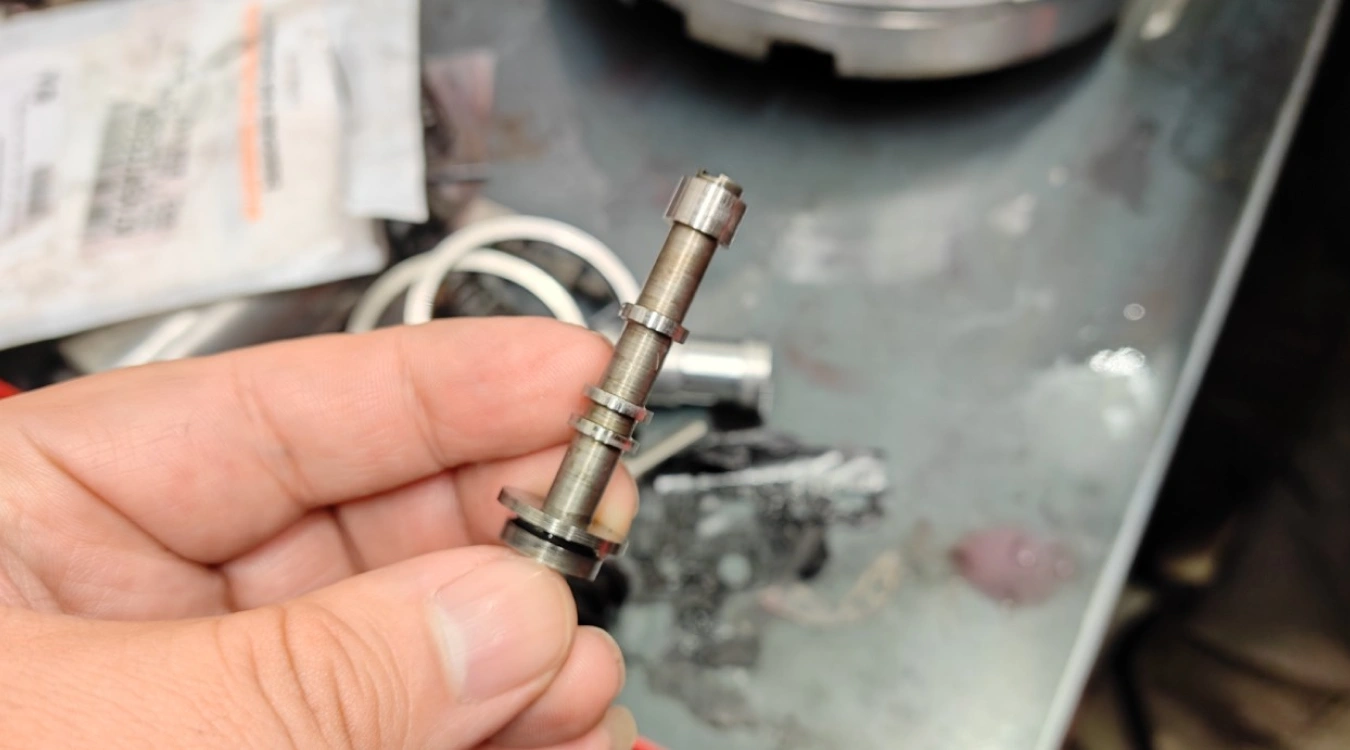
Replace Guesswork With Specialized Vehicle Testing
Modern transmissions combine mechanical, hydraulic, electrical, and computer-controlled systems. A transmission inspection therefore needs to consider more than one possible source of a problem.
Our transmission troubleshooting process is adapted to the vehicle and its symptoms instead of relying on one test for every situation.
- Computerized Diagnostics: We can scan for transmission and manufacturer-specific fault codes while using computerized diagnostics and live data to evaluate how monitored systems are operating.
- Pressure and Temperature Testing: Line pressure and transmission temperature information can help reveal hydraulic, overheating, and performance concerns that may affect shifting or drivability.
- Electrical Evaluation: An auto diagnostic service may include circuit testing, solenoid evaluation, sensor-related checks, and analysis of electronic controls when symptoms indicate an electrical problem.
- Fluid and Component Inspection: Transmission fluid condition, the cooler system, and relevant components can be inspected for evidence that helps identify wear, contamination, overheating, or other problems.
- Road Testing: Real-world vehicle diagnostic testing allows us to evaluate shift performance and reproduce symptoms that may not appear while the vehicle is stationary.
These steps help us distinguish between serviceable component problems and failures requiring more extensive transmission work.
Get Clear Insights About Your Vehicle’s Condition
A warning light or rough shift does not tell you exactly which part has failed. Similar symptoms can result from a solenoid, valve body, torque converter, electrical circuit, sensor, hydraulic problem, internal wear, or another supporting component. Testing helps narrow those possibilities before repair decisions are made.
Domestic Drive Line Repair, LLC diagnoses many Ford, GM, Dodge, Ram, and Jeep transmission applications. Once we identify the likely source of the problem, we can explain whether a specific repair is appropriate or whether the vehicle needs an in-house rebuild or complete transmission replacement. The goal is to give you useful information rather than make assumptions based on symptoms alone.
Drivers, truck owners, and businesses depend on their vehicles every day, so an accurate starting point matters. Whether your vehicle is slipping, shifting harshly, overheating, entering limp mode, or refusing to move, get the cause investigated before assuming the transmission is finished. Choose Domestic Drive Line Repair, LLC for transmission diagnostic service in Arlington, TX, and make your next repair decision with clearer information.
Get Warranty-Backed Repairs
Ask about our 2-Year Unlimited Mile Warranty on qualifying transmission rebuilds.
Frequently Asked Questions About Transmission Diagnostics
-
Testing depends on the vehicle and symptoms but may include computer scanning, manufacturer-specific fault codes, live data monitoring, adaptive values, line pressure testing, fluid inspection, electrical testing, solenoid evaluation, temperature monitoring, and road testing.
-
A fault code can provide valuable diagnostic direction, but it does not always identify the failed component by itself. Additional testing may be necessary to determine the underlying mechanical, hydraulic, electrical, or control-related cause.
-
Yes. Modern transmissions rely on sensors, solenoids, wiring, circuits, and computer controls. An electrical or electronic fault can sometimes create symptoms that resemble an internal mechanical transmission problem.
-
No. The purpose of diagnosis is to determine what the vehicle actually needs. Testing may reveal a serviceable component problem, or it may show that repair, rebuilding, or replacement is appropriate.
-
Slipping, delayed engagement, harsh or erratic shifting, shuddering, overheating, fluid leaks, warning lights, unusual noises, limp mode, or loss of forward or reverse movement are all reasons to have the transmission evaluated.